#BraveLikeBrenda
“The goal doesn’t have to be what it used to be. It just has to be a goal. Something to aim for. Something that says, I’m still here, and I’m still planning.”
Brenda jokes that she collects oncologists “like medical Pokémon,” but beneath this humor is remarkable resilience.
As an endurance athlete long before she became a cancer patient, she approached her diagnoses the same way she approaches running: by enduring and showing up. There are treatment plans to analyze, timelines to adjust, setbacks to overcome, and progress to wait on. “You know where it’s going to be hard,” she says. “You know where it’s just going to be a grind.”
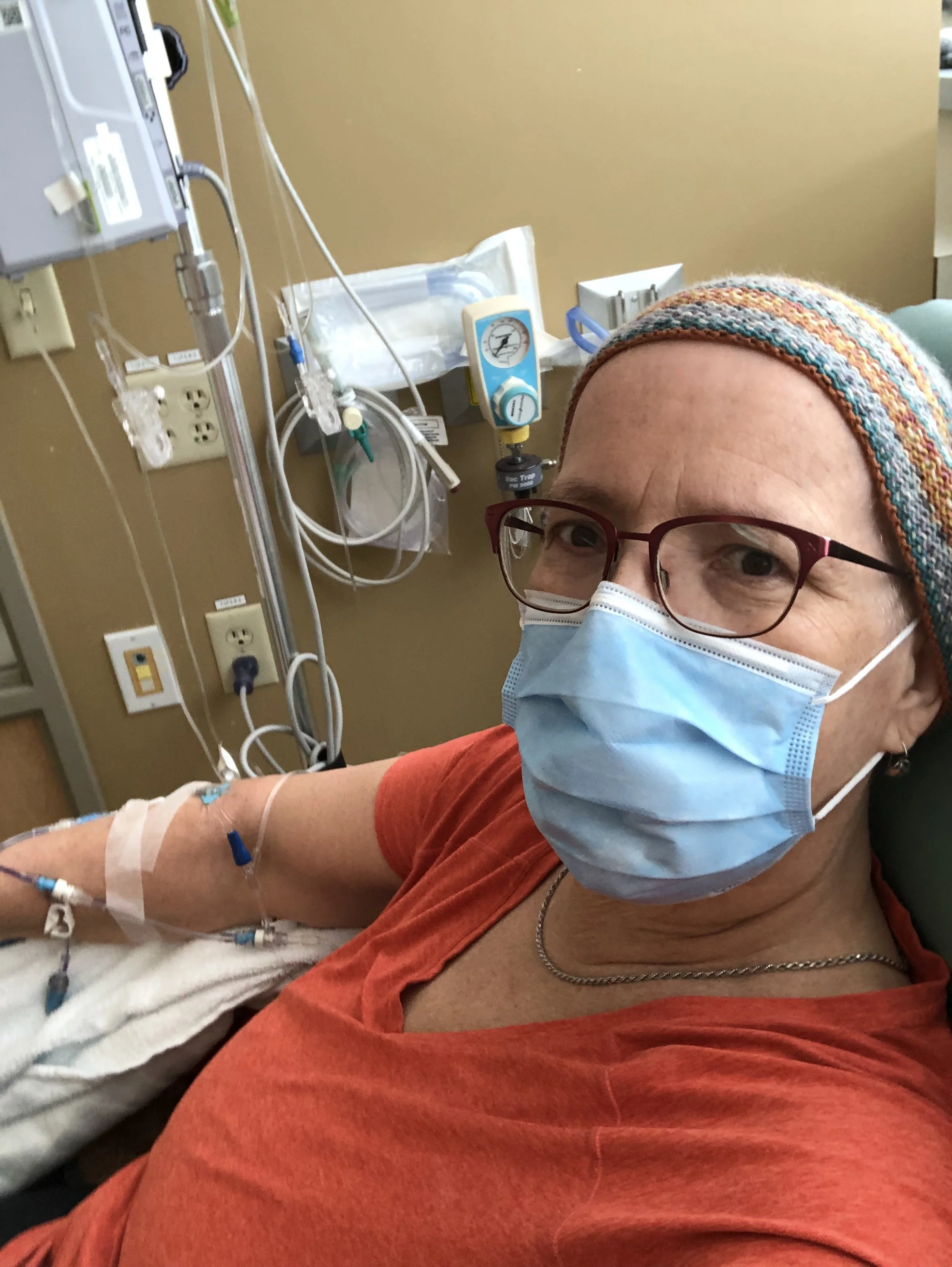
Since her endometrial cancer diagnosis in 2023, Brenda has navigated surgeries, radiation, genetic testing, a rare Cowden-like syndrome diagnosis, and now a second cancer discovered during preventative screening. Through it all, she has documented her experience publicly as both a coping mechanism and a way to create the kind of information she struggled to find herself. As she was recovering from major abdominal surgery, she searched for stories about what returning to movement looked like after treatment. “There was zero information on physical activity after a hysterectomy,” she says. “So I thought, why are we not talking about this more from a health perspective?”
Brenda’s response has been to write candidly about the realities of cancer treatment and recovery on her blog Running from Hysteria. She describes the “treatment whiplash” of sudden changes in care plans, the science-driven need to understand every possible outcome, the slow rebuilding of strength after surgery, and the emotional necessity of having something, like the Brave Like Gabe 5K, waiting on the calendar. Her musings are not only helpful for her own processing, but for other cancer patients going through similar experiences.
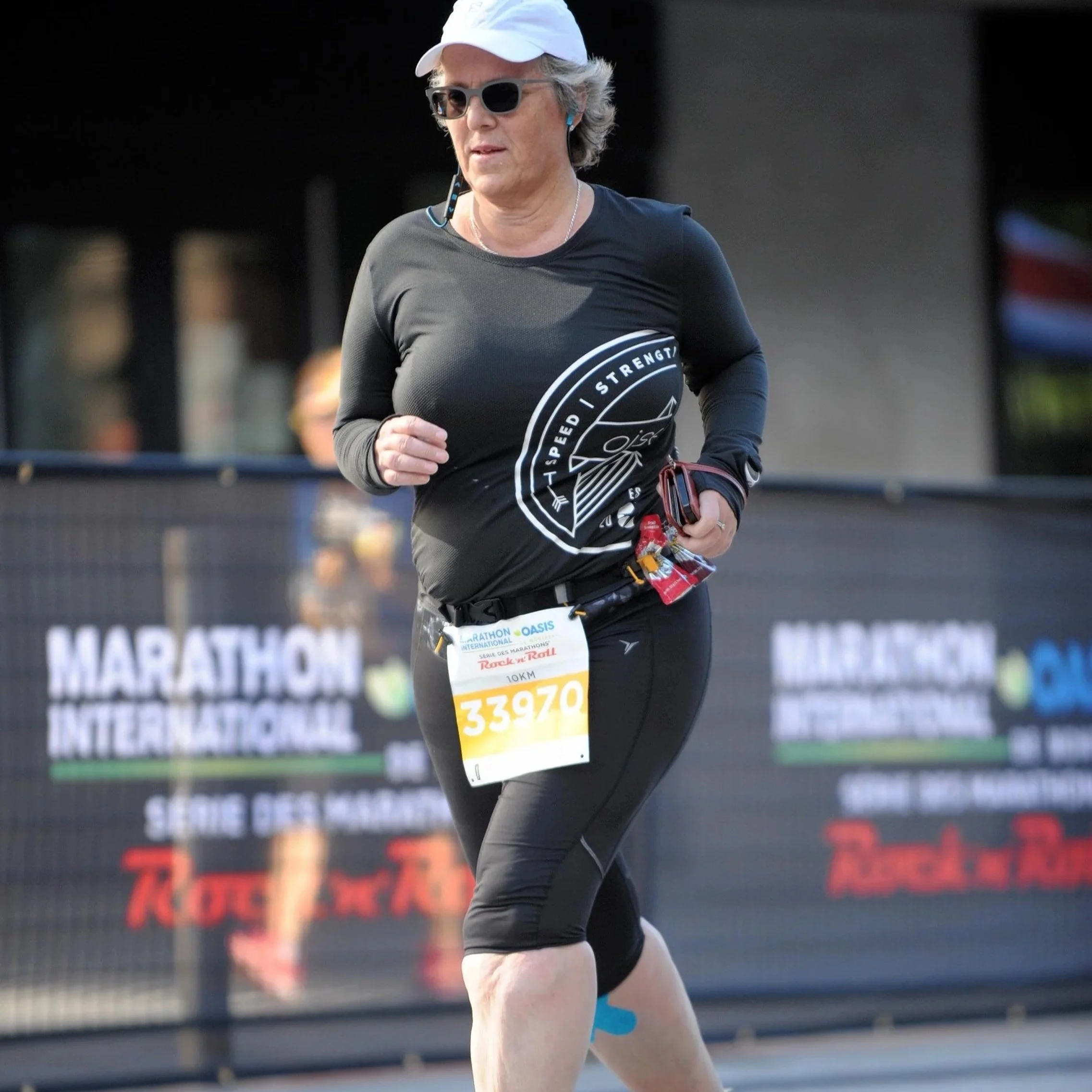
For Brenda, running has become more than pace and competition. It gives her structure and a glimpse of the future. During five weeks of radiation treatment in 2024, she broke a marathon into manageable pieces by running 2.6 miles at a time until she had completed 26 miles. “My last .2 miles, it was kind of like sprinting for the finish line,” she recalls. “That little brief window where you think: yes, I can do this. I can actually run fast again in my future.”
In the growing world of exercise oncology, where researchers and clinicians are only beginning to understand how movement intersects with cancer recovery, Brenda has become both participant and advocate. Due to Cowden-like syndrome, Brenda may always have cancer lurking in the background. But her story is about learning to live with uncertainty while continuing forward, stubbornly and purposefully.
How has running or staying physically active affected your journey?
“I’m a runner. It’s been part of my identity for years — the evening runs to switch gears, the half marathon training, the way a good run can reset everything. Running was never just fitness for me. It was how I thought, how I processed, how I felt most like myself.
Then cancer showed up. Twice.
My first diagnosis was in 2023 — endometrial cancer. I got through treatment, and when it was over, I did what runners do: I came back. I laced up my shoes and returned to the roads. It wasn't fast, and it wasn't pretty, but it was mine. That comeback mattered more to me than any race I'd ever run.
Then, in 2025, came a diagnosis that reframed everything: Cowden-like syndrome. A rare hereditary cancer predisposition syndrome — the kind that connects dots you didn't even know needed connecting. Suddenly, a lot of things made more sense. And suddenly, the surveillance got more serious.
Which is how, in early 2026, we found the colorectal cancer.
A different disease, a different treatment path — surgery came first, in April, and now pathology results in May, while slowly finding my way back to intentional movement. More to navigate. More to sit with. But also, in a strange way, less out of nowhere. The Cowden-like diagnosis has given me a framework, a language, a way to be an active participant in my own care rather than a passenger in it. That matters.
I won't pretend it's easy to hold all of this at once — two cancers, a hereditary syndrome, a body that keeps requiring attention while you're still in the middle of your life. But I keep coming back to something I learned after my first diagnosis: the goal doesn't have to be what it used to be. It just has to be a goal. Something to aim for. Something that says, I'm still here, and I'm still planning.
So here's my goal: I'm going to walk the 2026 Brave Like Gabe 5K.
Not run it. Walk it. And that distinction feels important to name out loud — because for someone who includes 'runner' as a core part of my identity, choosing to walk is its own kind of bravery. It means meeting myself where I am instead of where I wish I were. Right now that looks like daily walks, rebuilding from the inside out, one careful kilometre at a time. My surgery was April 24, and if recovery keeps going the way it has, there's a chance — not a plan, just a chance — that I'll be recovered enough for a few walk-run intervals by race day. I'll take that as a bonus if it comes. The goal is to be there either way.
Gabe ran through a decade of cancer, and she showed a lot of us that movement is medicine — not because it cures anything, but because it connects you to yourself and to others who understand what it means to keep going. That's what this 5K means to me. Not a finish time. Not a PR. Just putting one foot in front of the other, on the other side of surgery, in a community of people who know exactly how hard that can be.
We run — and walk — on hope.”
What advice do you have for people on staying fit throughout their recovery?
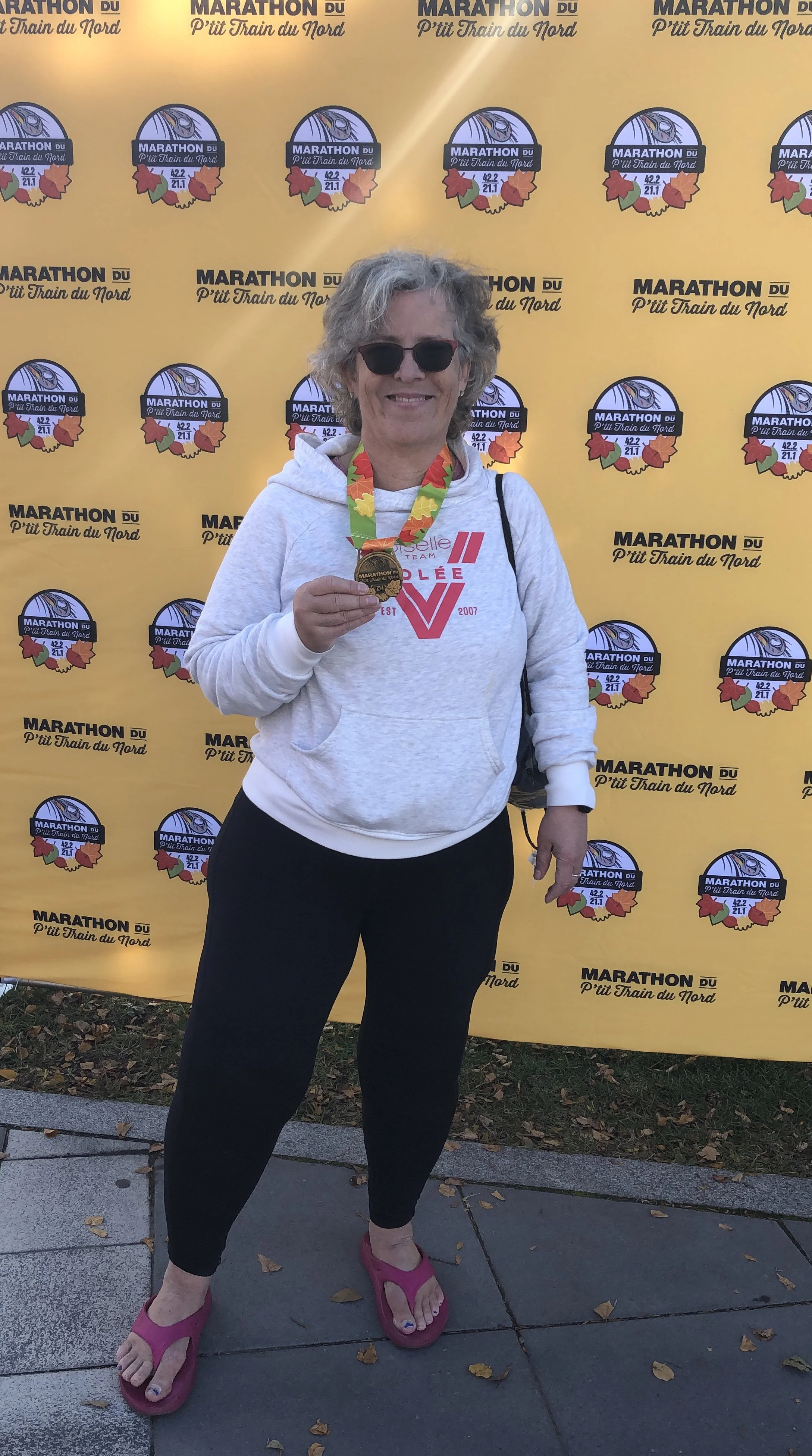
"When I was going through radiation in 2024, I used the Toronto Waterfront Marathon as a tool — because it had a virtual option, I could run 2.6 miles/day over the course of treatment, and I saved the .2 for race day, when I was finished treatment — after a year of surgery, chemo, and radiation, I celebrated by running.
I've since learned that running IS medicine. My lymphocytes remain low as a legacy of radiation. But by running regularly, my body distributes those cells differently, making my immune system more efficient than if I didn't move."
What are some of your proudest accomplishments as a cancer survivor?
“Being able to work — and move — through treatment has been an accomplishment that most can't understand, unless you're a survivor yourself. My first post-treatment 5k felt more significant than my first half marathon more than a decade ago. I was able to do this because I have an incredible support system — understanding clients, my family, and a close circle of friends.”
How has Gabe's story impacted you or changed the way you view life as a cancer survivor?
“I followed Gabe's story as she navigated her own cancer journey. And while I'm a recreational runner, her approach to finding joy in movement has always resonated with me. And she showed that cancer doesn't need to be hidden — it's just one piece of the puzzle in this journey of life.”
“I’ve been running towards a healthy future for two years now. The idea of just being able to run is liberating.”
What does it mean to be #BraveLikeBrenda?
“Being #BraveLikeBrenda means living my cancer story out loud. Since I've been diagnosed, I've shared my story. Not because I think it's unique, but because I feel people need to see that cancer is not what you think it is. I hope that part of sharing my story lets others realize what symptoms might be warning signs, and I hope that it also shows that cancer is only a piece of my story and doesn't define me.”
WHAt Are you looking forward to in the near future?
“Today, May 26th, 2026 is a good day. After a full month of recovery, I got my surgical pathology results from my medical oncologist this morning.
pT2N0M0, R0. Stage I. NED.
If you speak the language: clean margins, no lymph nodes involved, moderately differentiated, low tumor budding score. In plain English: they got it all, it hadn't spread, and there's no evidence of disease (NED). So no additional treatment for the moment — just surveillance going forward.
This is my second cancer in two years. Two surgeries, six rounds of chemotherapy, 25 radiation sessions, and a lot of miles logged between appointments. I apparently don't do things simply — but today the universe handed me a straightforward answer.
My care team at the Jewish General has been exceptional. My surgeon gave me margins I could only dream of. My oncologist sat with me and made sure I understood every word. And I have family and friends with me every step of the way.
I walked in untethered this morning. I'm walking out NED. Now, if you'll excuse me, I have a 5K on 25 June to train for. 🏃🏻♀️”
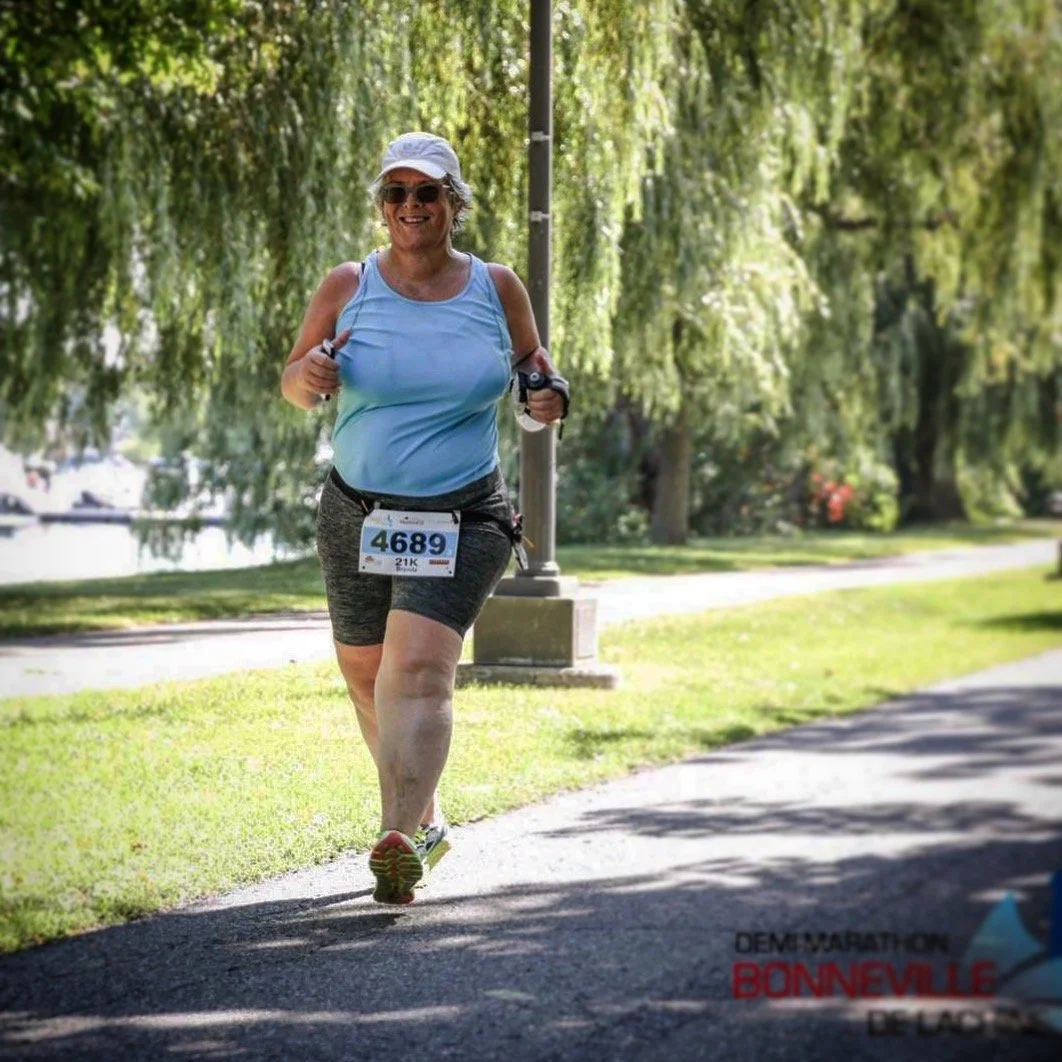
WHAT ROLE HAS COMMUNITY PLAYED IN YOUR SURVIVORSHIP?
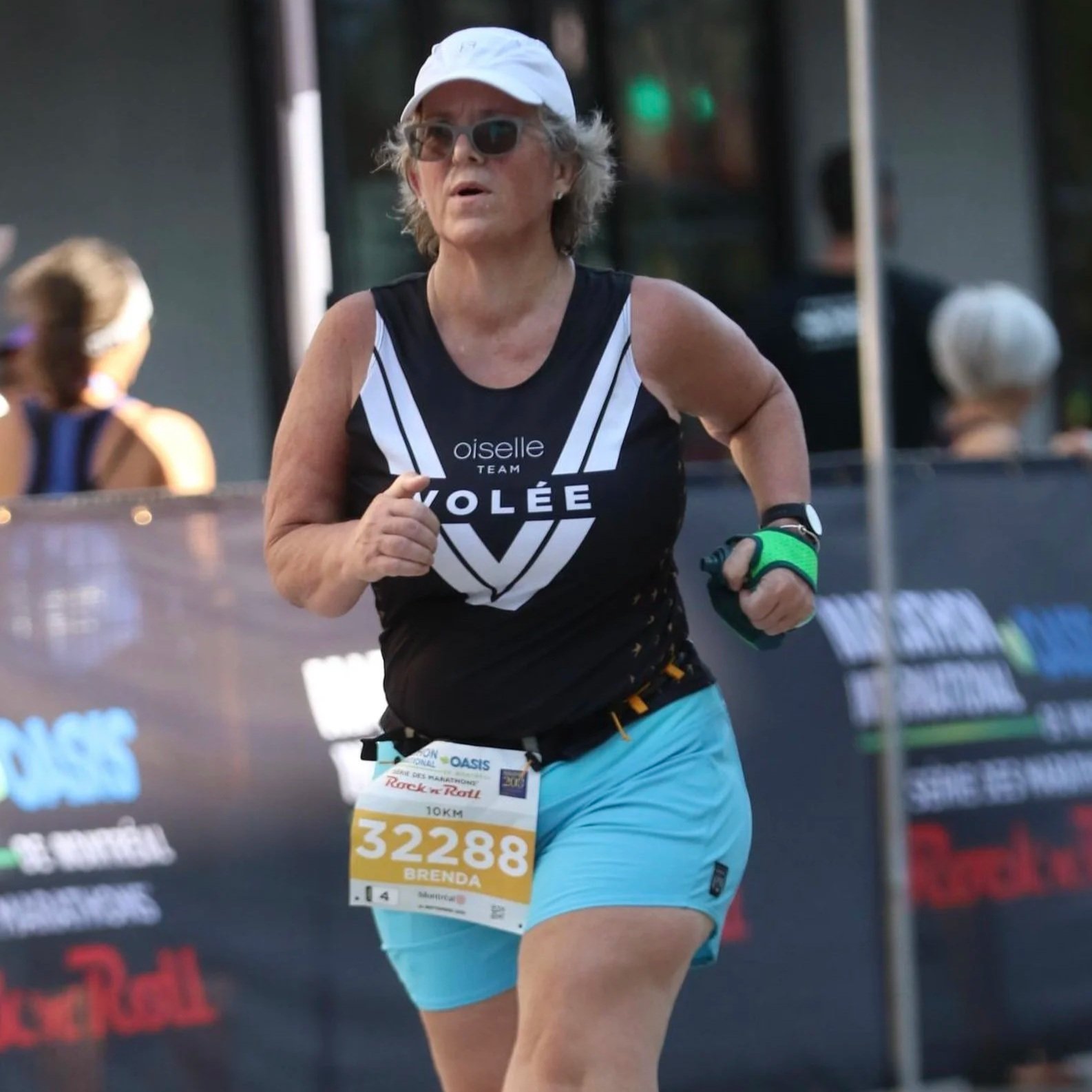
“Besides my family, my running team is another community I hold close. I broke the news via our team Slack, and the response was immediate and warm. What I didn’t fully expect was what came back: two other teammates are navigating their own cancer stories right now. One has a parent with pancreatic cancer. Another is dealing with a recurrence of rectal cancer that’s now in her lungs. We run the gamut from new runners to masters, and apparently, we are also—quietly, separately—a community of people holding cancer in our lives.
That hit harder than I expected. There’s something about being part of a community that demands long-game patience and consistency in training, and finding that the same patience and consistency shows up in how we hold each other through hard stretches. Nobody made my news the centre of anything. Nobody made theirs the centre of anything either. We just acknowledged what was happening, offered what we could, and trusted each other to keep showing up.” [excerpt from Let’s Make a Hard Pivot]
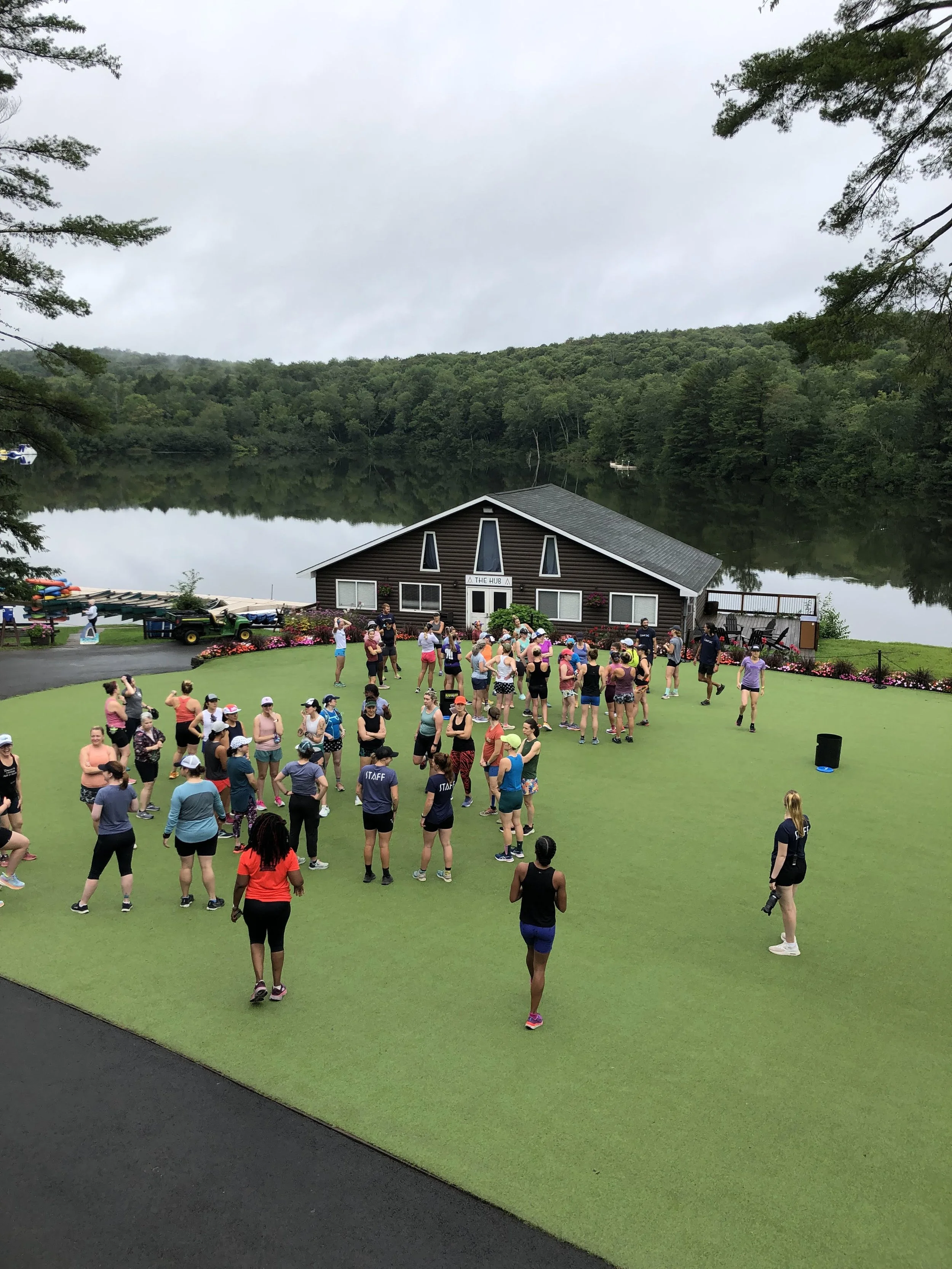
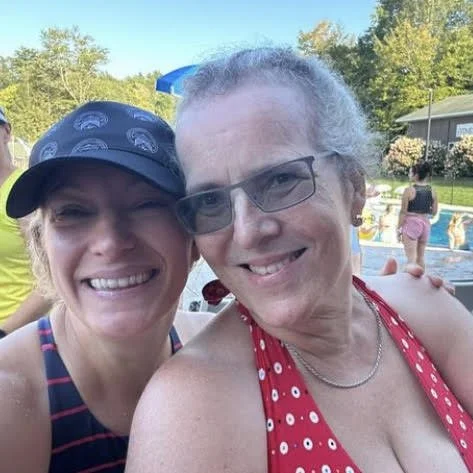
Birdcamp 2023 with women’s running apparel brand, Oiselle
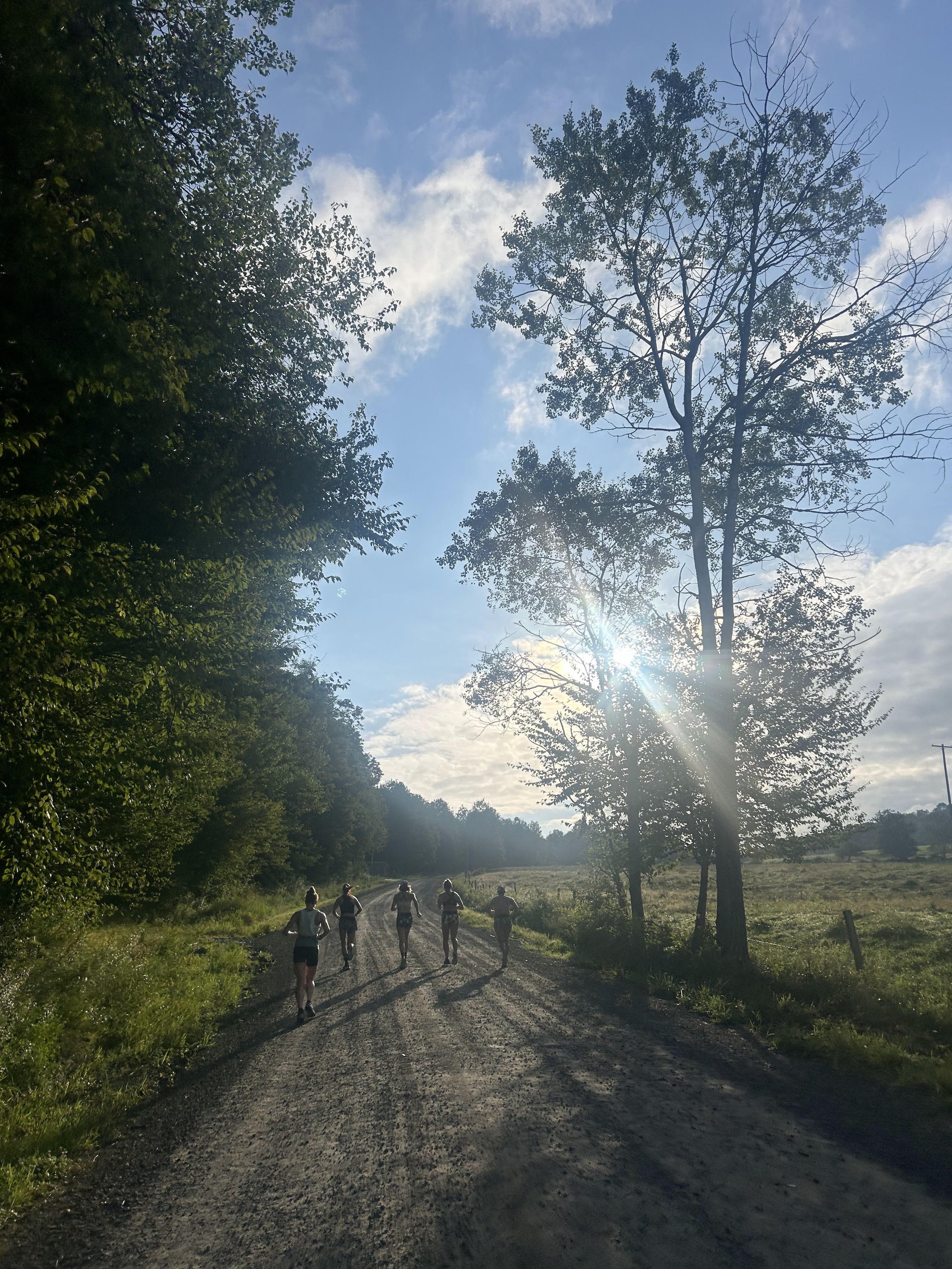
Volée members on a Sunday long run at Birdcamp